
Technology continues to evolve at an incredible pace, reshaping industries, economies, and everyday life. As we step into 2026, several emerging technologies are set to disrupt traditional systems and create new opportunities for businesses and individuals alike. From artificial intelligence advancements to breakthroughs in energy and computing, the future looks both exciting and transformative. In this article, we explore the top emerging technologies to watch in 2026 and how they may impact the world.
1. Advanced Artificial Intelligence (AI)
Artificial Intelligence is no longer a futuristic concept—it’s already deeply integrated into our daily lives. However, in 2026, AI is expected to reach a new level of sophistication. Generative AI models, autonomous systems, and AI-powered decision-making tools are becoming more accurate and efficient.
Businesses are increasingly relying on AI for automation, customer service, and data analysis. AI agents capable of performing complex tasks with minimal human intervention are gaining popularity. Additionally, ethical AI development and regulations are becoming more important, ensuring responsible use of this powerful technology.
2. Quantum Computing Breakthroughs
Quantum computing is moving closer to practical applications. Unlike traditional computers, quantum systems can solve highly complex problems at incredible speeds. In 2026, we are likely to see advancements in quantum hardware and algorithms that bring real-world use cases closer to reality.
Industries such as pharmaceuticals, finance, and cybersecurity will benefit the most. For example, quantum computing can accelerate drug discovery, optimize financial models, and enhance encryption methods. While still in early stages, this technology has the potential to revolutionize computing as we know it.
3. 5G Expansion and the Rise of 6G Research
The global rollout of 5G networks continues to expand, enabling faster internet speeds, lower latency, and improved connectivity. By 2026, 5G will be more accessible, supporting innovations like smart cities, autonomous vehicles, and the Internet of Things (IoT).
At the same time, researchers are already working on 6G technology. Although it may still be years away from commercial use, early developments suggest that 6G could offer even faster speeds and advanced capabilities such as holographic communication and ultra-reliable connectivity.
4. Internet of Things (IoT) and Smart Ecosystems
The Internet of Things is growing rapidly, connecting devices and systems in ways never seen before. In 2026, IoT will go beyond smart homes and wearables to include entire smart ecosystems—cities, factories, and healthcare systems.
Smart cities will use IoT sensors to manage traffic, reduce energy consumption, and improve public safety. In healthcare, connected devices will enable remote patient monitoring and personalized treatments. As IoT networks expand, security and data privacy will become critical challenges that need to be addressed.
5. Extended Reality (XR): AR, VR, and MR
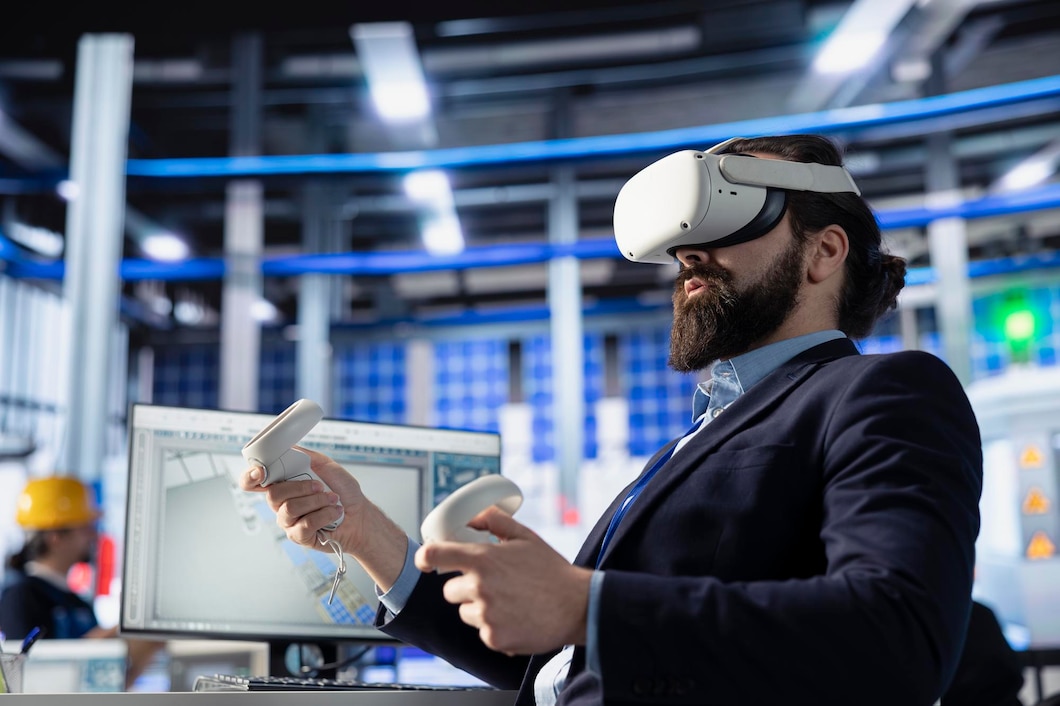
Extended Reality (XR), which includes Augmented Reality (AR), Virtual Reality (VR), and Mixed Reality (MR), is gaining momentum across industries. In 2026, XR technologies are expected to become more immersive, affordable, and widely adopted.
Education, gaming, healthcare, and retail are among the sectors benefiting from XR. Students can experience interactive learning environments, while businesses can use virtual simulations for training and collaboration. As hardware improves and costs decrease, XR will play a significant role in shaping digital experiences.
6. Blockchain Beyond Cryptocurrency
Blockchain technology is evolving beyond its association with cryptocurrencies. In 2026, blockchain will be widely used for secure data sharing, supply chain management, and digital identity verification.
Decentralized finance (DeFi) platforms are expanding, offering alternatives to traditional banking systems. Meanwhile, businesses are leveraging blockchain to increase transparency and reduce fraud. Governments are also exploring central bank digital currencies (CBDCs), which could redefine financial systems globally.
7. Green Technology and Sustainable Innovation
As climate change remains a global concern, green technology is becoming a top priority. In 2026, innovations in renewable energy, carbon capture, and sustainable materials are expected to accelerate.
Solar and wind energy technologies are becoming more efficient and affordable. Electric vehicles (EVs) are gaining popularity, supported by improved battery technology and charging infrastructure. Additionally, companies are investing in sustainable manufacturing processes to reduce environmental impact.
8. Biotechnology and Personalized Medicine
Biotechnology is advancing rapidly, especially in the field of healthcare. In 2026, personalized medicine—tailored treatments based on an individual’s genetic makeup—will become more accessible.
Gene editing technologies like CRISPR are enabling breakthroughs in treating genetic disorders. Additionally, advancements in diagnostics and wearable health devices are improving early detection and prevention of diseases. These innovations are transforming healthcare into a more proactive and personalized system.
9. Robotics and Automation
Robotics is evolving beyond industrial applications into everyday life. In 2026, robots are expected to become more intelligent, flexible, and collaborative.
From warehouse automation to service robots in hospitality and healthcare, robotics is improving efficiency and reducing human workload. Collaborative robots, or “cobots,” are designed to work alongside humans, enhancing productivity without replacing human workers entirely.
10. Cybersecurity Innovations
With the rise of digital technologies comes an increased risk of cyber threats. In 2026, cybersecurity will be more important than ever. Organizations are investing in advanced security solutions powered by AI and machine learning to detect and prevent attacks in real time.
Zero-trust security models, biometric authentication, and decentralized security systems are becoming standard practices. As technology evolves, so do cyber threats, making cybersecurity a continuous and critical area of innovation.
Conclusion
The year 2026 promises to be a turning point in technological advancement. From AI and quantum computing to green technology and biotechnology, these emerging trends are shaping the future in profound ways. Businesses that adapt to these changes will gain a competitive edge, while individuals will benefit from improved quality of life and new opportunities.
However, with great innovation comes great responsibility. Ethical considerations, data privacy, and sustainability must remain at the forefront of technological development. By embracing these emerging technologies wisely, we can create a future that is not only advanced but also inclusive and sustainable.
As we move forward, staying informed and adaptable will be key. The technologies of today are laying the foundation for the world of tomorrow—and 2026 is just the beginning.