
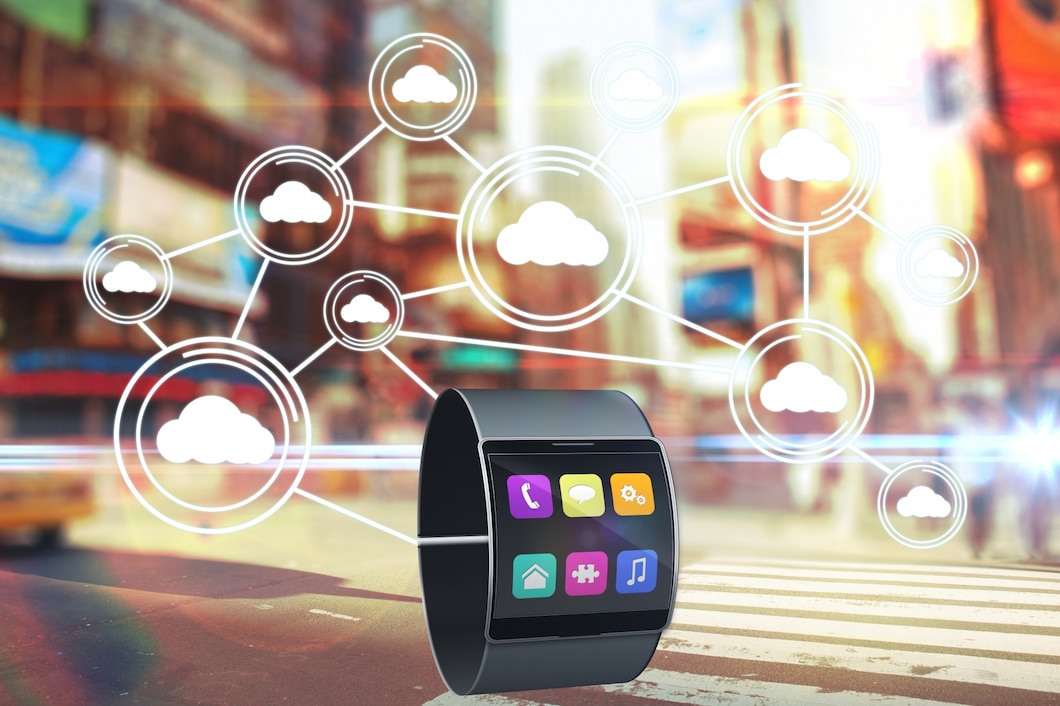
The Internet of Things, commonly referred to as IoT, is one of the most transformative technological concepts of the modern era. It represents a network of interconnected devices that communicate and exchange data with each other through the internet. These devices are embedded with sensors, software, and other technologies that allow them to collect and transmit information without requiring human intervention. From smart homes and wearable devices to industrial automation and smart cities, IoT is reshaping the way we interact with technology in our daily lives.
Understanding the Basics of IoT
At its core, the Internet of Things is about connecting physical objects to the internet so they can send and receive data. Traditionally, the internet was primarily used for communication between people through computers and smartphones. However, IoT extends this capability to everyday objects such as refrigerators, cars, thermostats, and even streetlights.
Each IoT device has a unique identifier and the ability to transfer data over a network. This data is often processed in real-time, allowing systems to make decisions or provide insights instantly. For example, a smart thermostat can learn your daily routine and automatically adjust the temperature to save energy and enhance comfort.
Key Components of IoT
The Internet of Things ecosystem consists of several essential components that work together seamlessly:
1. Devices and Sensors
IoT devices are equipped with sensors that collect data from their environment. These sensors can measure temperature, motion, humidity, light, and more. For instance, fitness trackers monitor heart rate and physical activity, while smart agriculture systems track soil moisture levels.
2. Connectivity
Once data is collected, it needs to be transmitted to a central system or cloud platform. This is done through various communication technologies such as Wi-Fi, Bluetooth, cellular networks, and satellite connections.
3. Data Processing
The collected data is analyzed and processed to extract meaningful insights. This often happens in the cloud, where powerful computing resources can handle large volumes of information efficiently.
4. User Interface
Finally, the processed data is presented to users through an interface such as a mobile app or web dashboard. This allows users to monitor systems, receive alerts, and make informed decisions.
How IoT Works
The working of IoT can be explained in a simple sequence:
- A device collects data using sensors.
- The data is transmitted to a cloud-based system or server.
- The system processes and analyzes the data.
- Based on the analysis, actions are triggered or insights are delivered to the user.
For example, in a smart home system, motion sensors detect movement when you enter a room. This information is sent to a central hub, which then turns on the lights automatically.
Applications of IoT
IoT is not limited to a single industry; it has widespread applications across various sectors:
1. Smart Homes
Smart home devices such as smart lights, security cameras, and voice assistants make everyday living more convenient and efficient. Users can control appliances remotely and automate tasks to save time and energy.
2. Healthcare
In healthcare, IoT enables remote patient monitoring and improved medical care. Wearable devices track vital signs and send data to healthcare providers, allowing for early diagnosis and timely intervention.
3. Agriculture
IoT is revolutionizing agriculture by enabling precision farming. Farmers can monitor soil conditions, weather patterns, and crop health, leading to increased productivity and reduced resource usage.
4. Transportation
Connected vehicles and smart traffic systems help improve road safety and reduce congestion. IoT enables real-time tracking, predictive maintenance, and efficient route planning.
5. Industrial Automation
In manufacturing, IoT plays a crucial role in optimizing production processes. Machines can communicate with each other, detect faults, and schedule maintenance automatically, reducing downtime and increasing efficiency.
Benefits of IoT
The Internet of Things offers numerous advantages that make it a valuable technology for individuals and businesses alike:
Improved Efficiency
Automation and real-time monitoring allow systems to operate more efficiently with minimal human intervention.
Cost Savings
IoT helps reduce operational costs by optimizing resource usage and preventing equipment failures through predictive maintenance.
Enhanced Convenience
Users can control and monitor devices remotely, making daily tasks easier and more convenient.
Better Decision-Making
Access to real-time data enables informed decision-making and improved outcomes across various sectors.
Increased Safety
IoT systems can detect potential hazards and send alerts, enhancing safety in homes, workplaces, and public spaces.
Challenges of IoT
Despite its many benefits, IoT also presents several challenges that need to be addressed:
Security Concerns
As more devices become connected, the risk of cyberattacks increases. Ensuring data security and privacy is a major concern for IoT systems.
Data Management
The vast amount of data generated by IoT devices can be overwhelming. Efficient data storage and processing solutions are required.
Compatibility Issues
Different devices and platforms may not always be compatible, leading to integration challenges.
High Initial Costs
Implementing IoT solutions can require significant investment in infrastructure and technology.
The Future of IoT
The future of the Internet of Things looks promising, with continuous advancements in technology driving its growth. Emerging technologies such as artificial intelligence (AI), 5G connectivity, and edge computing are expected to enhance IoT capabilities significantly.
AI will enable smarter decision-making by analyzing complex data patterns, while 5G will provide faster and more reliable connectivity. Edge computing will allow data processing closer to the source, reducing latency and improving performance.
In the coming years, we can expect to see more interconnected ecosystems where devices seamlessly communicate with each other. Smart cities, autonomous vehicles, and advanced healthcare systems will become more common, improving quality of life and economic efficiency.
Conclusion
The Internet of Things is transforming the way we interact with the world around us. By connecting everyday devices to the internet, IoT enables smarter, more efficient, and more convenient systems across various industries. While challenges such as security and data management remain, ongoing advancements in technology are helping to address these issues.
As IoT continues to evolve, it will play an increasingly important role in shaping the future of technology and society. Understanding its potential and applications is essential for anyone looking to stay informed in today’s digital age.