
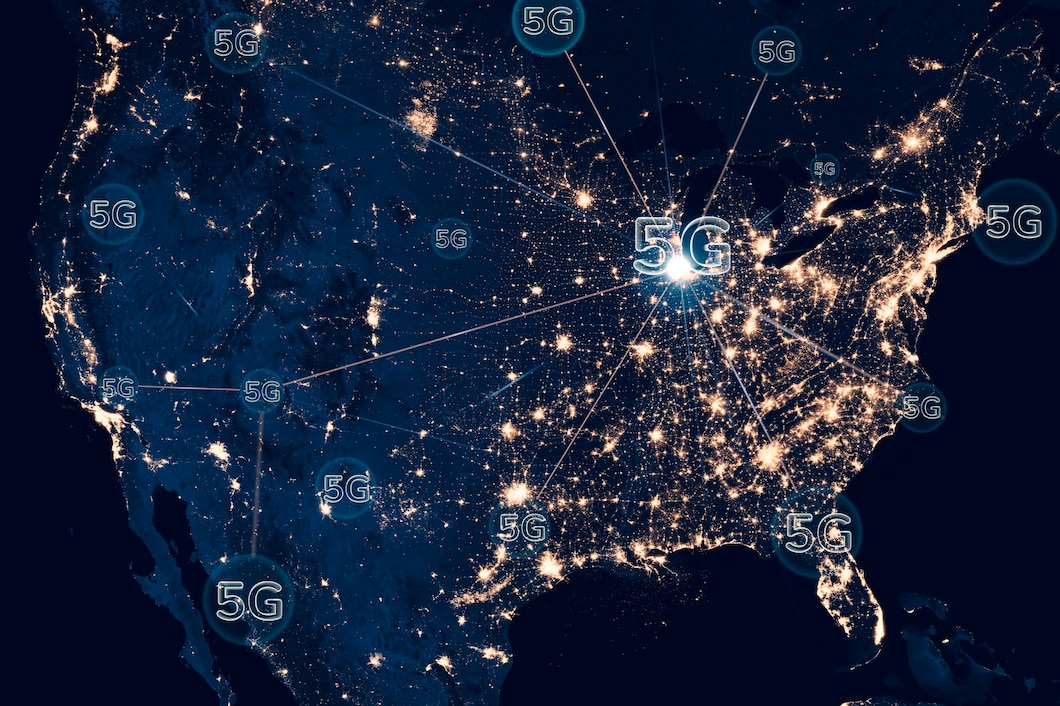
The arrival of 5G technology marks a significant leap forward in the evolution of wireless communication. While previous generations like 3G and 4G focused on improving mobile connectivity and internet speeds, 5G goes far beyond that. It is not just an upgrade—it is a foundational shift that will reshape industries, redefine how we interact with technology, and enable innovations that were once considered futuristic. From smart cities and autonomous vehicles to remote healthcare and immersive entertainment, 5G is poised to transform the world in profound ways.
What is 5G Technology?
5G stands for the fifth generation of wireless technology. It is designed to deliver ultra-fast internet speeds, extremely low latency (the time it takes for devices to communicate), and the ability to connect a massive number of devices simultaneously. While 4G networks typically offer speeds of up to 100 Mbps, 5G can reach speeds exceeding 10 Gbps under ideal conditions. This dramatic improvement opens the door to new applications that require real-time data transmission and high bandwidth.
Faster Speeds and Improved Connectivity
One of the most noticeable changes 5G brings is its speed. Downloading large files, streaming high-definition videos, and playing online games will become nearly instantaneous. Buffering and lag will become things of the past. This enhanced connectivity will not only improve personal user experiences but also empower businesses to operate more efficiently.
For example, cloud computing services will benefit significantly from 5G, allowing users to access powerful applications without relying heavily on local hardware. This means even basic devices will be able to handle complex tasks by leveraging the cloud.
Revolutionizing Healthcare
5G has the potential to revolutionize the healthcare industry by enabling remote medical services and real-time monitoring. Telemedicine will become more reliable and widespread, allowing doctors to consult with patients regardless of location. High-quality video calls and instant data sharing will improve diagnosis and treatment outcomes.
One of the most exciting possibilities is remote surgery. With ultra-low latency, surgeons could perform procedures using robotic systems controlled from miles away. Additionally, wearable devices connected via 5G will continuously monitor patients’ health, alerting medical professionals to potential issues before they become serious.
Enabling Smart Cities
Smart cities are another area where 5G will have a massive impact. With billions of devices connected through the Internet of Things (IoT), cities will become more efficient, sustainable, and livable. Traffic management systems will use real-time data to reduce congestion, while smart energy grids will optimize electricity usage.
Public safety will also improve with faster communication between emergency services. Surveillance systems powered by 5G can analyze video feeds in real time, helping authorities respond quickly to incidents. Waste management, water supply, and public transportation systems will all benefit from the enhanced connectivity that 5G provides.
Transforming Transportation
The transportation industry is set to undergo a dramatic transformation with the adoption of 5G. Autonomous vehicles, or self-driving cars, rely on constant communication with their surroundings. 5G enables these vehicles to exchange data with other cars, traffic signals, and infrastructure in real time.
This level of connectivity will significantly reduce accidents caused by human error. Traffic flow will become smoother, reducing travel time and fuel consumption. Additionally, public transportation systems will become more efficient with real-time tracking and predictive maintenance.
Advancing Industrial Automation
Industries and manufacturing processes will also experience major improvements with 5G. Factories will become smarter and more automated, with machines communicating seamlessly with each other. This concept, often referred to as Industry 4.0, will increase productivity and reduce operational costs.
Robots powered by 5G will perform complex tasks with precision and speed. Real-time monitoring of equipment will help prevent breakdowns, ensuring smooth operations. Supply chains will become more transparent and efficient, allowing businesses to respond quickly to market demands.
Enhancing Entertainment and Media
The entertainment industry will be transformed by 5G’s ability to deliver high-quality content instantly. Streaming services will offer ultra-high-definition (4K and even 8K) videos without buffering. Virtual reality (VR) and augmented reality (AR) experiences will become more immersive and accessible.
Gamers will benefit from reduced latency, enabling real-time multiplayer experiences without lag. Cloud gaming platforms will allow users to play high-end games on basic devices, eliminating the need for expensive hardware. Live events, such as sports and concerts, will offer interactive experiences that make viewers feel like they are part of the action.
Expanding the Internet of Things (IoT)
The Internet of Things will reach its full potential with 5G. From smart homes to connected industries, billions of devices will communicate seamlessly. Smart appliances, security systems, and personal devices will work together to create a more convenient and efficient lifestyle.
For instance, a smart home powered by 5G could automatically adjust lighting, temperature, and security settings based on user preferences. In agriculture, connected sensors will monitor soil conditions, weather patterns, and crop health, helping farmers increase productivity and reduce waste.
Boosting Economic Growth
5G is expected to have a significant impact on the global economy. By enabling new technologies and improving existing systems, it will create new business opportunities and job markets. Industries such as healthcare, transportation, manufacturing, and entertainment will see substantial growth.
Small businesses will also benefit from improved connectivity, allowing them to compete on a global scale. Remote work will become more efficient, enabling companies to hire talent from anywhere in the world. Overall, 5G will drive innovation and economic development across multiple sectors.
Challenges and Concerns
Despite its many advantages, the implementation of 5G technology comes with challenges. Building the infrastructure required for 5G networks is costly and time-consuming. It requires the installation of numerous small cell towers to ensure consistent coverage.
There are also concerns about data privacy and cybersecurity. With more devices connected to the internet, the risk of cyberattacks increases. Governments and organizations must invest in robust security measures to protect sensitive information.
Additionally, there are ongoing debates about the potential health effects of increased electromagnetic exposure. While current research suggests that 5G is safe, further studies are needed to address public concerns.
The Future of 5G
The full potential of 5G is still being explored, and its impact will continue to grow over time. As the technology becomes more widespread, new applications and innovations will emerge. It will serve as the foundation for future advancements, including artificial intelligence, machine learning, and advanced robotics.
In the coming years, we can expect 5G to become an integral part of our daily lives. From how we work and communicate to how we travel and receive healthcare, nearly every aspect of society will be influenced by this powerful technology.
Conclusion
5G technology is more than just faster internet—it is a transformative force that will reshape the world. By enabling real-time communication, connecting billions of devices, and supporting advanced technologies, 5G will drive innovation across industries. While challenges remain, the benefits far outweigh the drawbacks.
As 5G continues to expand globally, it will unlock new possibilities and redefine what is possible in the digital age. Whether it’s smarter cities, safer transportation, or improved healthcare, the future powered by 5G promises to be faster, more connected, and more efficient than ever before.